- From a century of seabird breeding records in Antarctica to global satellite tracks of migratory flocks, two new studies reveal patterns within one of the world’s most threatened groups of birds.
- By mapping where seabirds breed and the invisible highways they follow across oceans, scientists are uncovering vast blind spots in both research and international conservation policy.
- Seabirds and their ocean habitats are now drawing attention, as nations gear up to govern the world’s international waters.
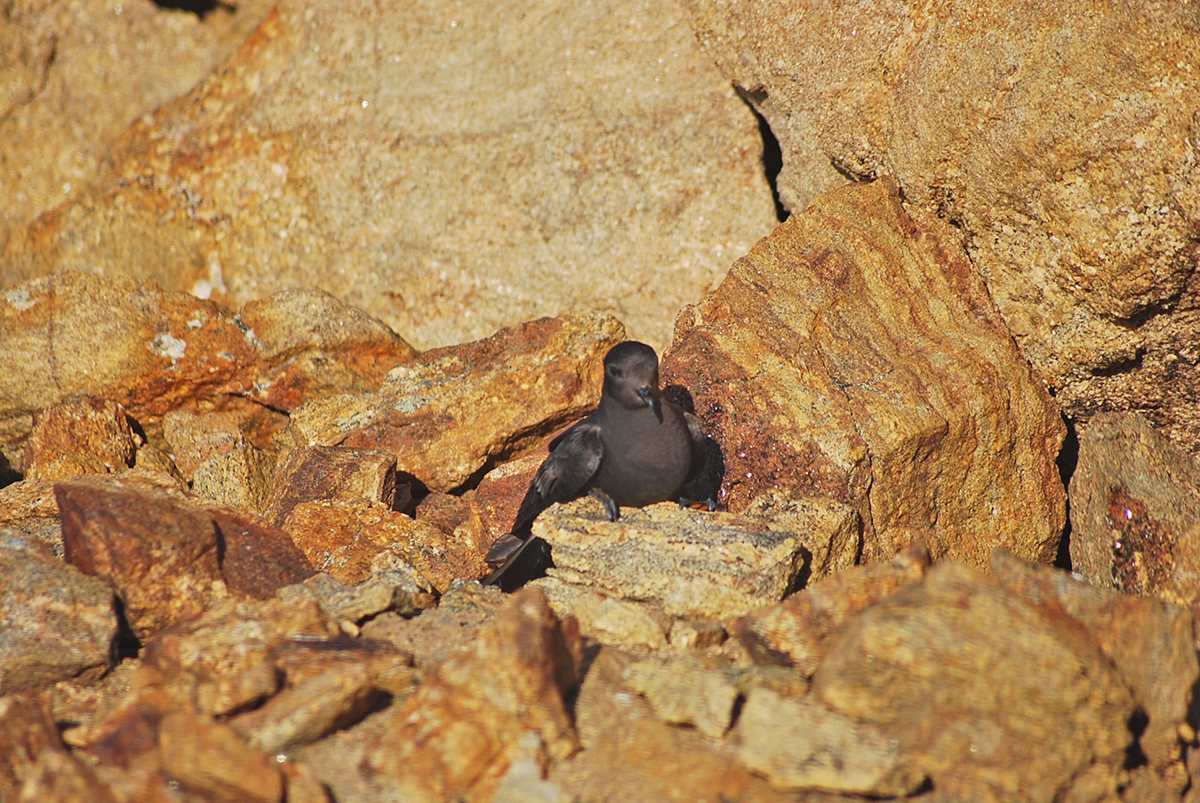
In 2011, off the coast of Kerala, a record notes hundreds of karivandu — ‘black beetles’ in Malayalam — fluttering low over the waves, occasionally dipping for food. These were Wilson’s storm petrels, hand-sized dark seabirds that had flown thousands of kilometres from their breeding grounds near Antarctica to escape the polar winter.
Despite being one of the world’s most abundant seabirds, we know little about this bird’s breeding occupancy — records of whether it was observed nesting at a given site — in Antarctica. This knowledge gap about seabirds, addressed in a July 2025 study, is crucial for population studies and conservation because, for them, what happens in Antarctica doesn’t stay in Antarctica.
Most seabirds are migratory, travelling over oceans and continents to reach breeding and non-breeding destinations. Through their journeys, they connect the world, yet face countless challenges along the way, becoming one of the most threatened groups of birds globally.
A century of looking, and not looking
An international study by scientists from six countries and multiple institutions traces 100 years of breeding occupancy data from 1921 to 2021 for eight seabird species in East Antarctica. It draws from published papers, unpublished reports, research station logs, fieldnotes, and some oral histories of scientists from different nations who have worked in this remote region.
Compilations of wildlife distributions generally report when a species is found (presence), explains study author Colin Southwell of the Australian Antarctic Division. But when a species is not found (absence), it can be difficult to record; perhaps the species was hiding, or no one examined the area carefully enough. To address this, Southwell’s team introduced a scale of absence certainty, assessing the thoroughness of past surveys. If an area was never surveyed but has suitable habitats, researchers flagged it as “ignorance.”
“Ignorance is a concept that, although widely acknowledged in ecology, has seldom been addressed, both in Antarctica and worldwide,” adds Southwell, who has worked in the icy continent for over 30 years.
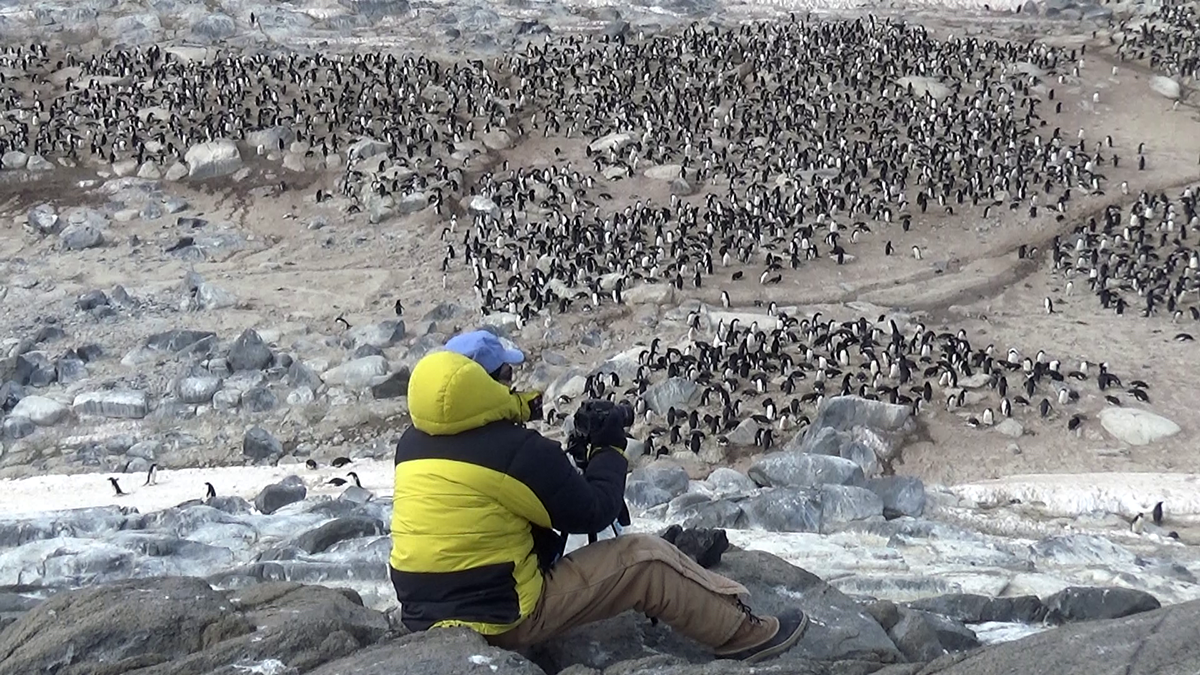
By combining old records with expert validation, unpublished data, and knowledge of available seabird habitats, the team mapped the current limits of Antarctic bird knowledge.
“The study includes ignorance or the no-survey factor to highlight that even if there is high habitat availability for the species, surveys are not taking place,” says co-author and marine scientist Anant Pande.
In this vast swath of East Antarctica, about as wide as the continental United States, research effort is concentrated near research stations, most of which are on the coast. Charismatic, easy-to-spot species such as Adélie penguins dominate research focus. Flying species like the snow petrel and Wilson’s storm petrel, which nest in rock crevices and cliffs, remain under-recorded.
“I did extensive foot surveys around Maitri (Indian research station), but never found a single Wilson storm petrel breeding despite seeing the bird, probably owing to surveys in late summers,” adds Pande, who has visited the continent multiple times in the last 15 years. “In 2024, a South African scientist went there and saw it breeding in the same area.”
India’s Maitri and Bharati stations contributed to the century-long dataset. Since joining the Antarctic Treaty System in 1983, India has expanded its wildlife monitoring and is now among a handful of countries maintaining Antarctic research stations.
These findings could help shape international decisions under the Antarctic Treaty and the Commission for the Conservation of Antarctic Marine Living Resources (CCAMLR), which together guide scientific and conservation policy for the region.
As aviation and tourism increase, mapping breeding sites could guide safe flight routes and set limits around sensitive areas. The results could also inform krill-fishing policies in the Southern Ocean, a key feeding ground for seabirds and whales. “When a species breeds, it extensively uses nearby waters to feed itself and its offspring. But there’s a lot of [ecological] pressure from krill fisheries in Antarctica,” says Pande.
For Southwell, the study is also a celebration of the work of the many researchers who have worked on seabirds in East Antarctica over the past several decades.
Seabirds connect the world
Individual seabirds tagged with unique rings and GPS tags have revealed astonishing migration journeys — a south polar skua ringed in Antarctica recovered 17,500 kilometres away, near Udupi on India’s west coast; a sooty tern tagged in the Seychelles found in Kerala; a bridled tern from Saudi Arabia spotted in a creek in Gujarat almost 18 years later.
Many of these seabirds use their strong sense of smell not just to locate fish and plankton but also to navigate. While humans continue to uncover the mysteries of seabird migration — including visual cues, infrasound, the Earth’s magnetic field, and proteins in a bird’s eyes — a barrage of issues makes seabirds one of the world’s most threatened groups of birds.
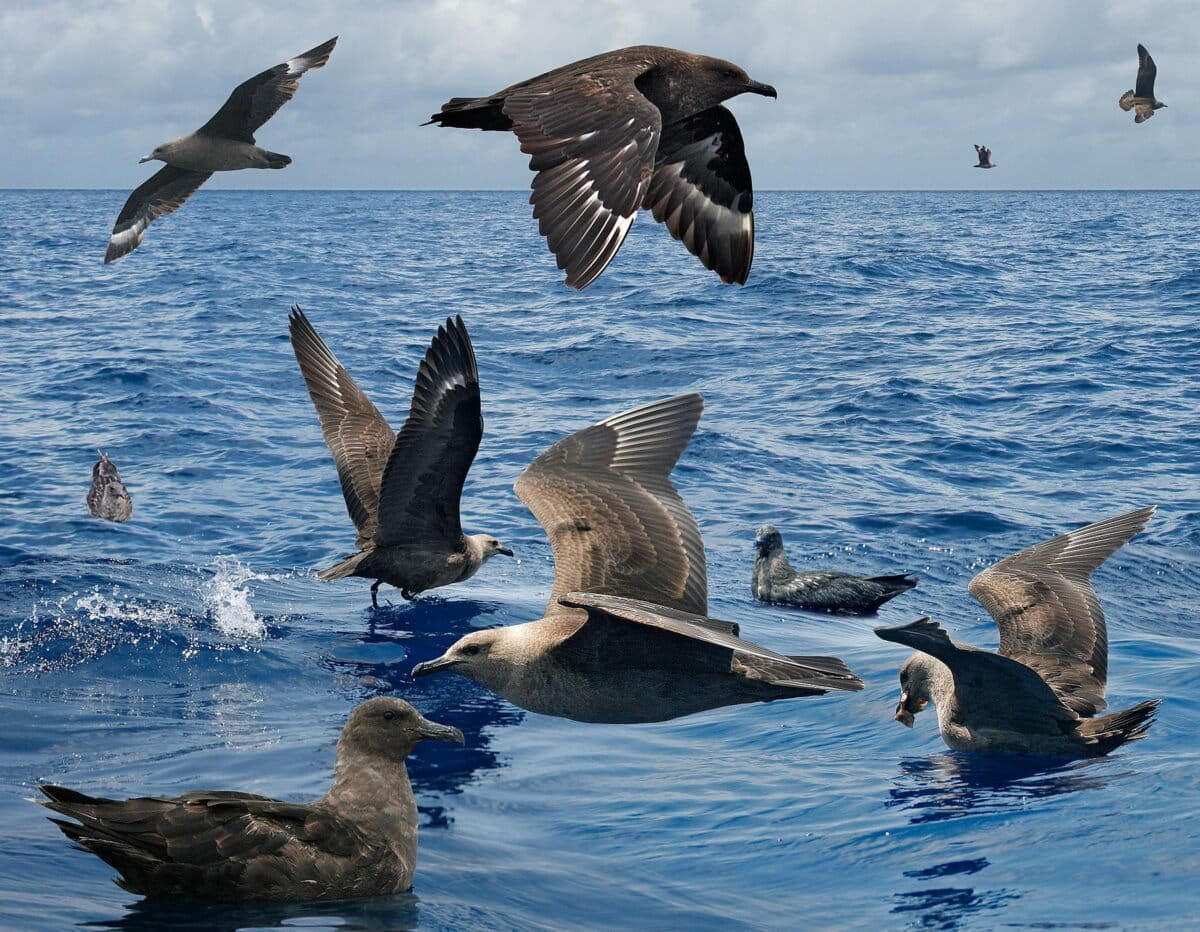
Climate change is altering ocean temperatures, currents, and wind patterns that shape seabird migration and feeding grounds. Simultaneously, overfishing has reduced the prey fish they depend on. Longline fisheries also pose a bycatch risk as birds are drawn to baited hooks or nets, become entangled, and drown, explains Pande. Added to this are threats from marine pollution, invasive predators such as feral cats on nesting islands, and emerging diseases such as avian influenza. “They are highly vulnerable since many of them lay just one egg,” explains R. Suresh Kumar, Wildlife Institute of India Scientist, who is currently studying seabirds in the Indian Ocean.
Many of these threats occur in international waters, beyond a country’s Exclusive Economic Zone (EEZ), which extends up to 200 nautical miles (about 370 km) from the coast. Seabirds routinely soar over national boundaries and move through high seas.
Highways over the oceans
Studying tracking data gathered between 1989 and 2023 of over 3,000 birds from 48 species contained in BirdLife’s Seabird Tracking Database, scientists have visualised broad and repeating routes — six marine flyways across the world’s oceans — the Atlantic Ocean, North Indian Ocean, East Indian Ocean, West Pacific, Pacific, and Southern Ocean flyways.
These marine flyways for pelagic seabirds, those that spend the majority of their life on the open ocean, exclude coastal seabirds such as gulls that follow well-established terrestrial flyways used by other land and shore birds. It aims to provide a clear basis for prioritising and coordinating international management actions across national and international waters to collaborate on seabird research and protection, explains Tammy Davies, co-author of the study and Marine Science Manager at BirdLife International.
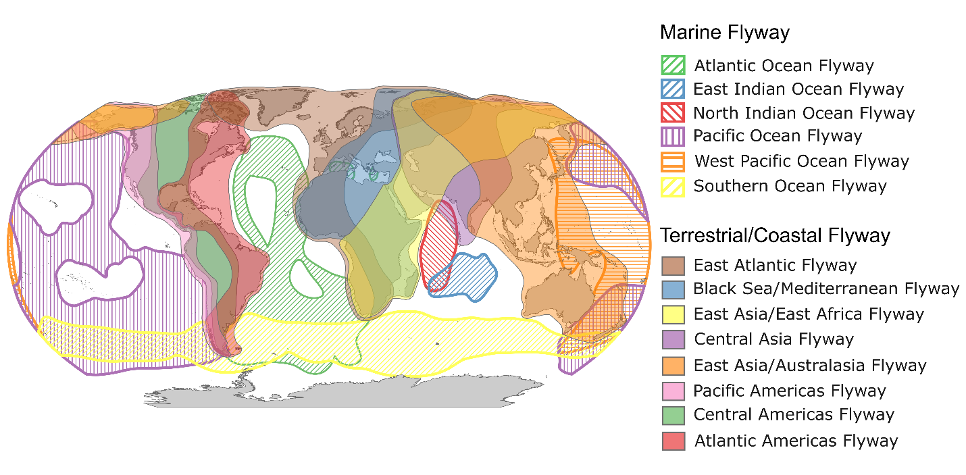
The idea of mapping marine flyways is no longer just academic; it’s now under discussion within the Convention on Migratory Species (CMS) Flyways Working Group, which is preparing a draft resolution on seabirds and marine flyways, set to be discussed at the CMS COP15 in Brazil in 2026. If countries adopt the resolution, it could become the first international recognition of marine flyways.
“The marine flyways are a vital piece of the jigsaw puzzle to make the new High Seas Treaty a success,” says Nina Mikander, Global Director of Policy and Business at BirdLife International. The High Seas Treaty or Biodiversity Beyond National Jurisdiction Agreement (BBJN), the world’s first treaty to protect international waters, comes into effect in January 2026. “Seabirds can guide us to the most important areas in the ocean and to mapping marine protected areas.”
Still, questions remain about the governance and implementation of the marine flyway framework. Davies says the next step would be to identify each flyway’s research and conservation needs, including existing work and gaps.
India’s missing seabird stories
The North Indian Ocean marine flyway overlaps with the EEZs of eight countries, including India. While the two Indian Ocean flyways lack bird migration data, the study notes that a potential segment from the west Indian Ocean into the Bay of Bengal is also absent from the identified flyways due to limited data and the species selected for analysis.
In India, the discussion resonates closely with existing gaps in seabird research. Citizen-led pelagic birding trips and occasional coastal strandings have offered glimpses of India’s seabird diversity, but much remains unknown.
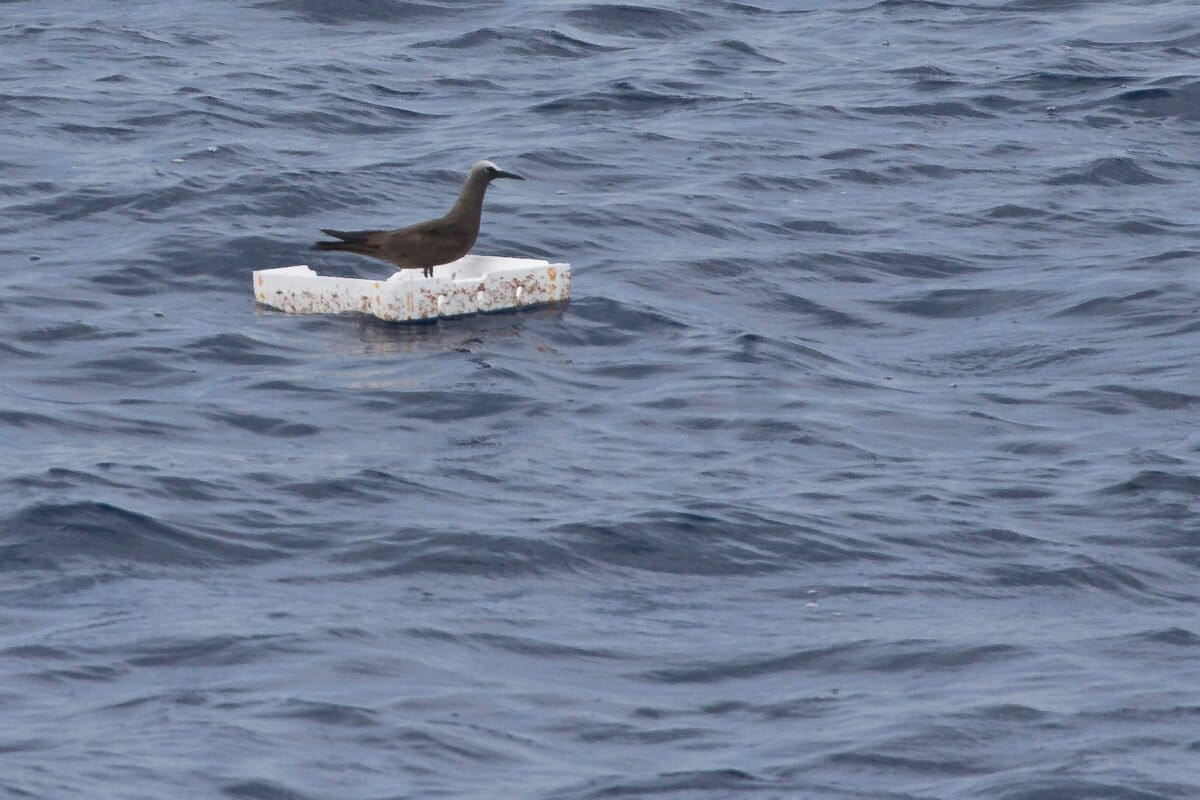
On Lakshadweep’s Pitti Island, Kumar’s team is studying seabird populations and how wind and ocean currents influence migration patterns. In 2024, one of the tagged birds, a brown noddy, flew from Pitti to coastal Goa and Maharashtra before being blown inland by Cyclone Asna and finally died in Madhya Pradesh. Another, a sooty tern, likely removed its satellite tag, an expensive reminder of the challenges of seabird science.
P. Sathiyaselvam, Deputy Director and Head of the Wetlands and Flyways Programme, Bombay Natural History Society (BNHS), notes that seabirds are a missing link in India’s century-old bird banding initiatives that have seen active and dormant phases. “High logistical costs and weather conditions make the journey to the sea and the islands difficult for systematic monitoring.”
Islands in the North Indian Ocean, such as Pitti in Lakshadweep, Vengurla Rocks in Maharashtra, Netrani in Karnataka, and some in the Gulf of Mannar, aren’t well studied but host various breeding and non-breeding seabird species, says Kumar.
While tracking data from these sites wasn’t part of the study, it won’t change the marine flyways, says Davies, because these are broad routes. “There’s still lots to learn about seabird migration in the Indian Ocean, including coastal species that are generally captured in the existing flyways for terrestrial and waterbirds.”
Banner image: A Wilson’s storm petrel, a pelagic seabird, flying over the ocean. Image by Thibaud Aronson via iNaturalist (CC BY-SA 4.0).
Credits