- Exotic pet trade creates multiple opportunities for zoonotic spillover, from capture and transport to sale, handling and public display of the animals.
- Traded wildlife can carry a range of pathogens with zoonotic potential, with documented risks spanning birds, mammals, reptiles and others.
- Growing human-wildlife contact through pet cafes, petting zoos and public events adds to the risk, while weak regulation and surveillance can make transmission difficult to trace.
- India needs stronger One Health attention to the exotic pet trade, including research, surveillance and measures to regulate the commercial pathways through which these animals enter the country.
This is Part 1 of a series on exotic pet trade. The series looks at the health impacts, legal challenges and the ecological consequences of keeping exotic wild animals as pets.
Mumbai-based veterinarian Dr. Rina Dev was hospitalised for four days recently with a lung infection. “I hope it’s not something from the parrots I was treating,” she told Mongabay-India after being discharged from the hospital. Dr. Dev is an avian and exotic animal veterinarian who works closely with the forest department to treat imported and seized exotic animals involved in the wildlife trade.
Her concerns are valid. Avian chlamydiosis, or psittacosis, is caused by the bacterium Chlamydia psittaci and is a common infection among people who handle birds, earning it the nickname “bird handler’s disease”. A 2024 case from India describes a man contracting the infection after exposure to his pet parrot. In 1994, customs officers in Belgium contracted chlamydiosis after being exposed to infected parakeets. Multiple such documented cases link wildlife trade to human infection.
A comprehensive review of psittacosis by the ICAR-Indian Veterinary Research Institute in 2021 describes avian chlamydiosis as a “neglected disease” with “critical zoonotic potential”.
Pet trade link to zoonosis
Zoonoses, or zoonotic diseases, entered the ordinary Indian’s wellness lexicon when the COVID-19 pandemic exposed how pathogens can jump from animals to humans, causing serious medical consequences and, in some cases, a pandemic that can literally bring the world to a standstill.
The wildlife pet trade, especially the trade in exotic animals imported or smuggled from foreign countries, creates repeated opportunities for pathogens to cross species barriers. Poor traceability, inadequate surveillance and close human-animal contact can make such spillovers difficult to detect.

A 2021 study identifies illegal wildlife trade as a major facilitator of emerging infectious disease (EID) events. An estimated 75% of EIDs are zoonotic in nature, and approximately 1.7 million unknown viruses are thought to exist among mammals and birds, with up to 0.85 million potentially capable of infecting humans, according to a 2026 report on India’s exotic pet trade by Humane World for Animals.
When 2079 traded species and 40 years of global wildlife-trade data were analysed, traded mammals were found to be 1.5 times more likely to share pathogens with humans than non-traded mammals.
Notably, the analysis found that the longer a wild mammal species remained in trade, the more pathogens it tended to share with humans. On average, a wild mammal species shares one additional pathogen with humans for every 10 years it is present in the global wildlife trade, the study reported.
Yet wildlife trafficking continues to be the fourth-largest illicit transnational activity in the world, alongside drug, human and illegal arms trafficking.
Pathways for pathogens
Dr. Rina Dev flags multiple infections that have zoonotic potential. Similar to Psittacosis is Aspergelosis, a fungal infection caused by a mold called Aspergillus. Then there is salmonellosis caused by Salmonella bacteria from reptiles, tuberculosis from primates, leptospirosis from the rodent family, avian influenza from birds and more. “Tuberculosis is increasingly being detected among primates which is a big zoonotic concern,” she says. India currently has the highest burden of TB in the world and is a notifiable disease in the country.
“One of the biggest concerns regarding primates is that they are closely related to humans. That makes disease transmission between humans and primates easy,” informs Uttara Mendiratta, a conservation researcher working on illegal wildlife hunting and trade.
“Parasites such as ticks and gastrointestinal parasites in these animals too can cause diseases,” says Dr. Dev, adding that she has detected cases of Lyme disease during screening in traded wildlife. Lyme disease is a vector-borne disease in animals that can affect humans. “Many diseases are still unknown. Animals can contract a host of pathogens during transportation and sale,” she points out.
A 2021 review of 82 studies on illegal wildlife trade identified 240 pathogen cases, more than 60% of which involved pathogens with known zoonotic potential. The pathogens included 44 types associated with birds, 47 with mammals, 16 with reptiles, two with amphibians, two with fish and one with invertebrates. A broad range of bacterial pathogens and antimicrobial resistance were identified in a 2026 systematic review of exotic pets.
A 2021 study of India’s exotic reptile trade found 84 species being traded and reported major gaps in CITES reporting.
In July 2025, a consignment of red-eared sliders headed towards India was seized in Singapore. All 2,500 turtles, detected with Salmonella, were euthanised.
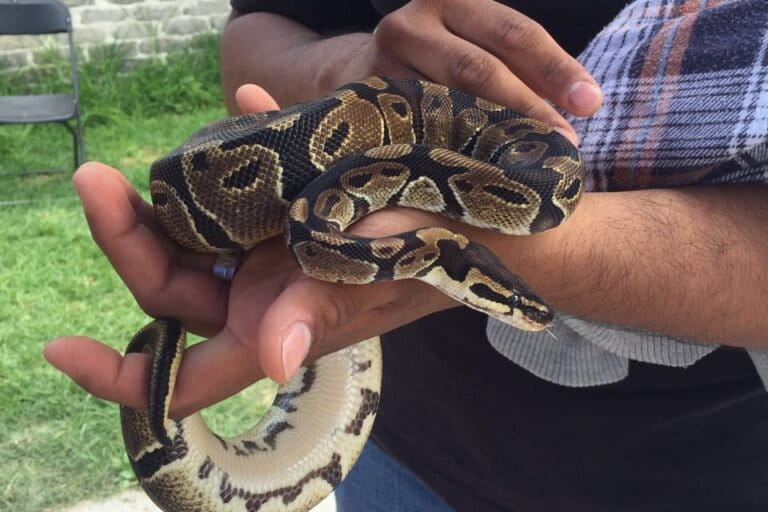
The 2026 Humane World for Animals report highlights another important concern: the import of venomous snakes and the non-availability of species-specific antivenom in the country.
Are we ready for another pandemic?
From capture in the wild and long-distance transportation to trading, time in markets and eventual transfer to the purchaser, wildlife trade creates a chain of opportunities for pathogens to spill over across species. Stressful conditions can weaken immune function and increase viral shedding, amplifying pathogen loads and heightening the risk of potential spillover to humans, states the 2026 report.
While direct contact with these animals is an obvious route of transmission, other forms of exposure, such as bites and scratches, contact with saliva and excreta, contaminated cages, food and water, and respiratory droplets or aerosols, can also facilitate transmission.
This brings us to a pertinent question: Are first responders such as customs officials equipped to handle the zoonotic risks when these animals are seized? Mendiratta says they are often not. “At a border point, officers may open a consignment and find live animals that need immediate care. They have to handle the animals while simultaneously trying to find experts and veterinary support,” she explains. In the race against time to keep the animals alive, zoonotic disease prevention may not be adequately addressed. “If animals were imported legally, they would go through quarantine and disease testing. But illegally trafficked animals that are not screened can reach communities without that process,” Mendiratta states.

Primates carry an additional risk because they look so human-like. The babies are cute and people want to hold them close, says Mendiratta, which can make disease transmission even easier.
It is in this context that the June 2026 arrest of a practising medical doctor and six others in Bengaluru for illegally possessing exotic wildlife, presumably for sale, gains significance. The case particularly highlighted the possibility of smuggled wildlife reaching schoolchildren, given the racket’s alleged links to the Instagram handle @Zoo2youu, which promoted wildlife education programmes in schools, colleges, apartment complexes and public events. Social media content linked to the account shows exotic animals being displayed to members of the public, including children.
Growing interface between humans and wildlife
Pet cafes, petting zoos and events that display exotic wildlife all increase the interface between humans and wildlife, creating opportunities for pathogen spillover that can be difficult to trace. “It is very risky, particularly from a public health perspective,” says Sumanth Bindumadhav, director of Humane World for Animals India and co-author of the 2026 report.
“There is also a moral question about the message being sent out. People who run these facilities often argue that children need to touch and see animals to develop compassion towards them. If you need an animal as an aid to sensitise people about a topic, you need to reconsider how the message is being conveyed and not rely on using it as a prop,” he adds.
Mendiratta finds the trend problematic as it normalises close interaction with wildlife. The disease risk is manifold here, as most of these facilities are unregulated and medical protocols or veterinary supervision are suspect. “If you have a properly regulated facility with strict medical protocols where animals are constantly under veterinary supervision, perhaps the immediate disease risk is relatively low. But now these facilities are appearing everywhere and many are unregulated. We don’t know how often medical checks are performed or where the animals came from,” she says.
There is another, less obvious spillover pathway that is not widely talked about. The COVID-19 pandemic exposed the possibility of humans infecting animals, a phenomenon known as reverse zoonosis or anthroponosis. In other words, humans can transmit pathogens to captive wildlife, particularly animals closely related to us, such as primates. A review found 97 documented human-to-wildlife transmission events, although relatively few subsequently became established in wildlife populations.

Despite increasing evidence of the zoonotic risks associated with wildlife trade, it is unclear how systematically India’s One Health surveillance architecture accounts for the exotic pet trade. “Before leaving their country of origin, animals undergo disease screening and receive a veterinarian’s health certificate. On arrival in India, they undergo air-quarantine, with the quarantine period varying by species. Clearance is issued by the Livestock Development Officer once the animal is deemed fit. India has designated quarantine facilities and ports of entry, including Mumbai and Chennai,” informs Neha Panchamiya, founder of ResQ charitable trust, a non-profit that provides animal aid.
However, for animals to be repatriated, many airports lack adequate quarantine facilities where they can be kept without coming into contact with people or other animals, says Bindumadhav. “Ideally, they should be kept in a completely sealed room to prevent pathogens from the animals spreading to people or other animals,” he adds.
Mendiratta says meaningful work is lacking in this area. She believes this spillover pathway needs more research, as very little is known about the disease burden associated with exotic wildlife. “Beyond research, there is also an urgent need to address the possibility of zoonotic pathogens entering through this trade,” she adds.
As new infectious diseases continue to emerge, the role of governments and policymakers in developing strategies to prevent and control zoonotic disease spillover becomes increasingly important. Experts believe an integrated, multi-sectoral One Health approach, bringing together managers and policymakers from different fields, is needed. This should include measures to restore landscapes, curb wildlife trade and regulate the commercial pathways through which exotic animals enter the pet trade.
“We have tried to raise this issue with people working on One Health because we believe exotic pets represent an important potential disease pathway. So far, we have not seen the level of response or investment we had hoped for,” Mendiratta says.
Banner image: Caged birds at a pet market in Kolkata, West Bengal. (AP Photo/Bikas Das)
Credits