Climate Connections News
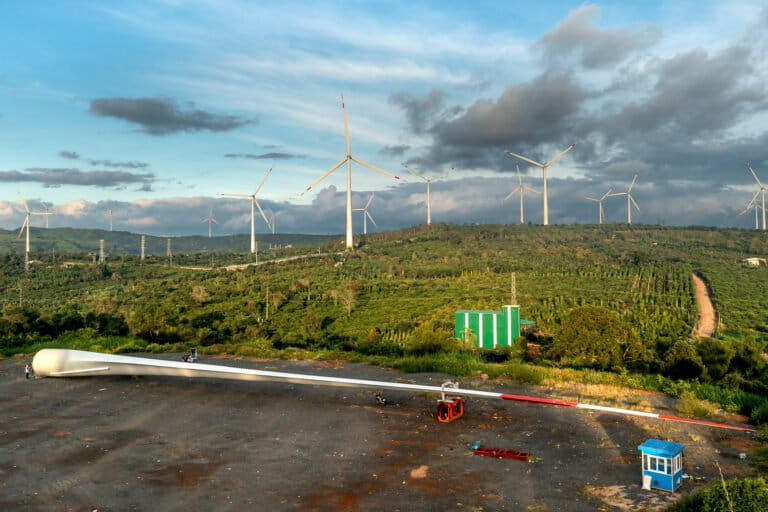
Mongabay-India's Climate Connections project aims to raise awareness about the nuances of India’s climate actions. India is one of the world’s fastest-growing economies and among the world’s biggest markets. These two factors together drive energy consumption and the use of fossil fuels. Further, the country is already witnessing a massive impact due to climate change. In such a scenario, the actions planned by the government, industry, and communities for climate change mitigation in India are of critical importance for stabilising the global climate system. As a signatory to the Paris Agreement, a legally binding international treaty on climate change, India has pledged to limit global warming to well below 2, preferably to 1.5 degrees Celsius, compared to pre-industrial levels. India updated its nationally determined contributions in keeping with the Paris Agreement, outlining major mitigation goals. By 2030, the country committed to reducing the emissions intensity of its GDP by 45 % of the 2005 value; generating about 50% of its power requirement from renewable sources, and creating an additional carbon sink of 2.5 to 3 billion tons of carbon dioxide equivalent through additional forest and tree cover. These commitments, with a focus on reducing greenhouse gas emissions, are driving the trajectory of India’s growth. India is highly vulnerable to extreme weather events. The year 2020 brought in its share of climate-related calamities, including floods in many parts of the country. Cyclone Amphan that hit India and Bangladesh coasts in 2020 became the costliest cyclone on record in the northern Indian Ocean. The impacts were amplified by the coronavirus pandemic. The already slowing economy was thrown into a deep slump. These events prompted a slew of economic reforms by the Indian government, mostly focused on activities that would help adapt to the new normal, with a thrust on climate adaptation. At such a time when fresh policies are being formulated, heightened media discourse on climate action is much needed.





Latest Specials


Interested in other Mongabay websites?