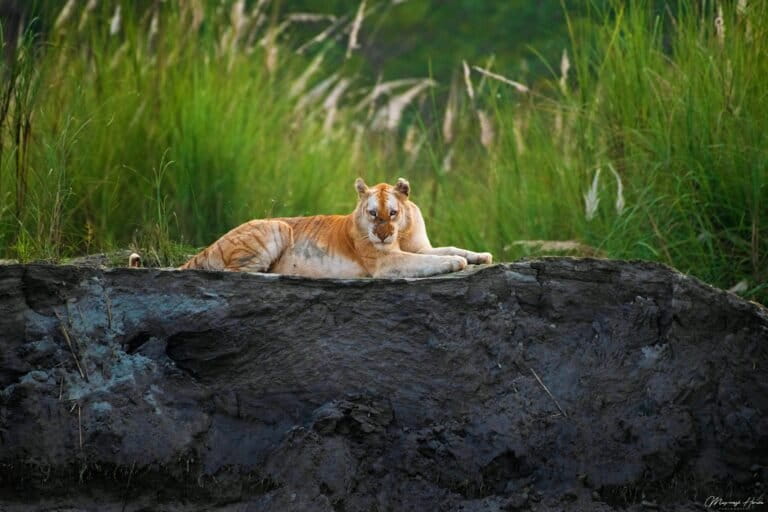
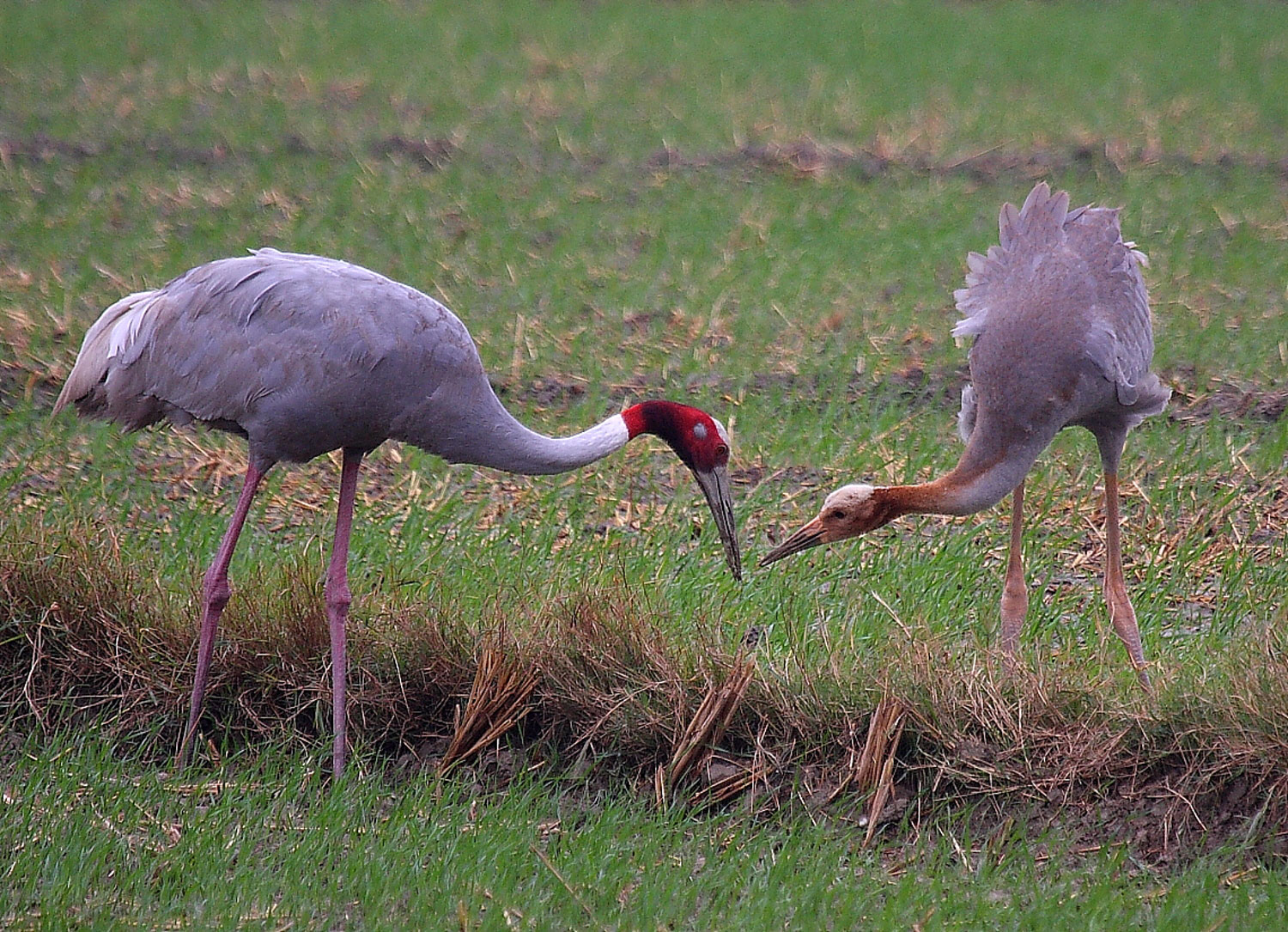
Protected areas only cover about 5.02 percent of India’s total area. Consequently, a large percentage of India’s wildlife live outside protected boundaries. In India, a protected area (PA) is defined as a zone “in which human occupation or at least the exploitation of resources is limited.” These PAs include national parks, wildlife sanctuaries, conservation reserves, community reserves and marine protected areas. In this series, Beyond Protected Areas, Mongabay-India will be addressing the urgent need to raise awareness of practices which make the land surrounding official protected areas more supportive of wildlife. In this context, large carnivores prey upon livestock, while herbivores such as elephants, nilgai and wild boar damage crops. Human-wildlife conflict seems inevitable, but there are novel solutions that have come to light from across the country. We explore biodiversity and communities along the spectrum between conflict and coexistence, from across the country.