Beyond Protected Areas News
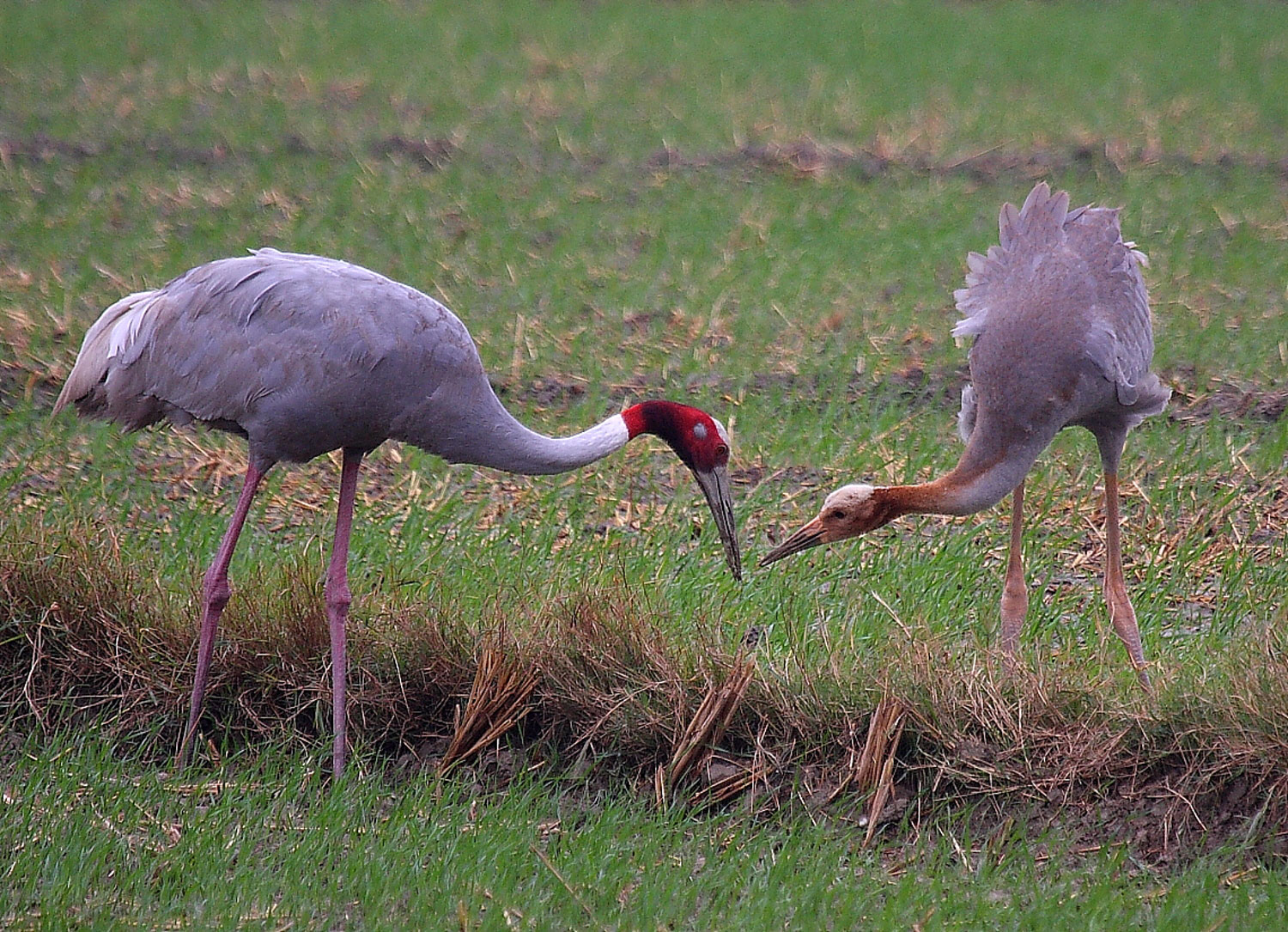
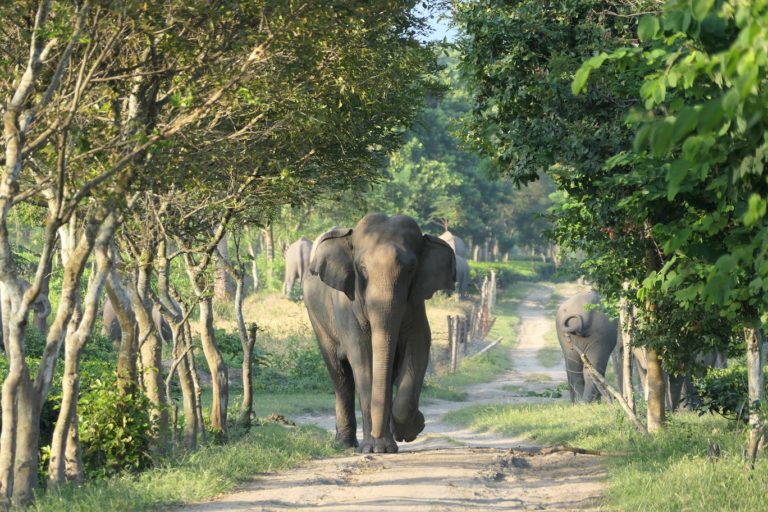
Protected areas only cover about 5.02% of India’s total area. Consequently, a large percentage of India’s wildlife live outside protected boundaries. This gives rise to situations spanning between coexistence and conflict, which requires acknowledgement and awareness. With just 5% of India’s total forest cover officially protected, sharing habitat with humans is the reality for much of India’s diverse wildlife. In western Maharashtra, for example, every 100 sq km of land is home to 10 large carnivores — and more than 30,000 people. In India, a protected area (PA) is defined as a zone “in which human occupation or at least the exploitation of resources is limited.” These PAs include national parks, wildlife sanctuaries, conservation reserves, community reserves and marine protected areas. In this series, Beyond Protected Areas, Mongabay-India will be addressing the urgent need to raise awareness of practices which make the land surrounding official protected areas more supportive of wildlife. One of the main threats to biodiversity outside protected areas is widespread infrastructure development, including linear incursions like roads and railways. The resultant habitat fragmentation splits up wildlife populations, causing an overall reduction in genetic diversity, which in turn decreases the resilience of species to pressures such as climate change and diseases. In this context, large carnivores prey upon livestock, while herbivores such as elephants, nilgai and wild boar damage crops. Human-wildlife conflict seems inevitable, but there are novel solutions that have come to light from across the country. We explore biodiversity and communities along the spectrum between conflict and coexistence, from across the country.







Latest Specials


Interested in other Mongabay websites?