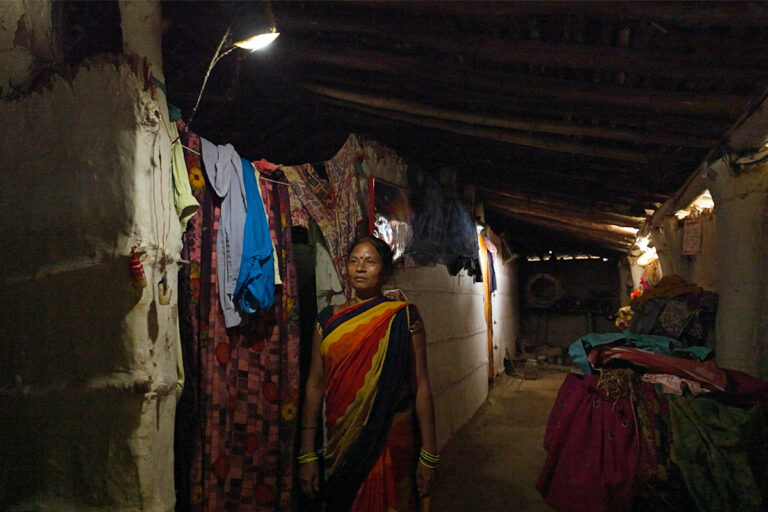
In Bihar’s West Champaran, nearly 22 villages inside the Valmiki Tiger Reserve received solar-powered electricity in 2019. After the contract expired in 2024, 40,000 villagers were plunged back into the darkness, receiving only one-two hours of electricity every day.
Installed under the national Saubhagya Yojana and maintained by Larsen & Toubro (L&T), the off-grid system was meant for forest villages far from grid electrification. Since the contract was completed, the batteries’ performance has declined, and the panels have started breaking.
While the village residents say the power supplied never fully met their needs, the return to darkness compounds the existing issues — their livelihood, children’s education, safety, and connectivity as mobile phones can no longer be charged. The responsibility for the defunct system now lies with the power department.
While some officials say that complaints are being addressed as they arise, others anonymously cite funding issues for the upkeep of panels.
A new ₹139-crore project was announced in December 2024 to transition forest villages in Champaran from off-grid to on-grid electricity. The project awaits forest clearance, says Piyush Barnwal the Divisional Forest Officer and the Assistant Public Information Officer at Bettiah in West Champaran, Bihar.
Meanwhile, as uncertainties about the solar project loom, residents boycotted the recent state assembly elections, demanding uninterrupted electricity alongside other basic amenities.
This story was produced under the Earth Journalism Network Video Story Grant.
Credits