• Features
  • Videos
  • Podcasts
  • Specials
  • Articles
  • Shorts
Subscribe
  • English
  • Español (Spanish)
  • Français (French)
  • Bahasa Indonesia (Indonesian)
  • Brasil (Portuguese)
  • India (English)
  • हिंदी (Hindi)
  • বাংলা (Bengali)
  • Swahili
  • Videos
  • Podcasts
  • Articles
  • Short News
  • Feature Stories
  • The Latest
  • Explore All
  • About
  • Team
  • Contact
  • Subscribe page
  • Submissions
  • Privacy Policy
  • Terms of Use
  • Advertising
  • Wild Madagascar
  • For Kids
  • Mongabay.org
  • Reforestation App
  • Planetary Health Check
  • Conservation Effectiveness
  • Mongabay Data Studio

Latest

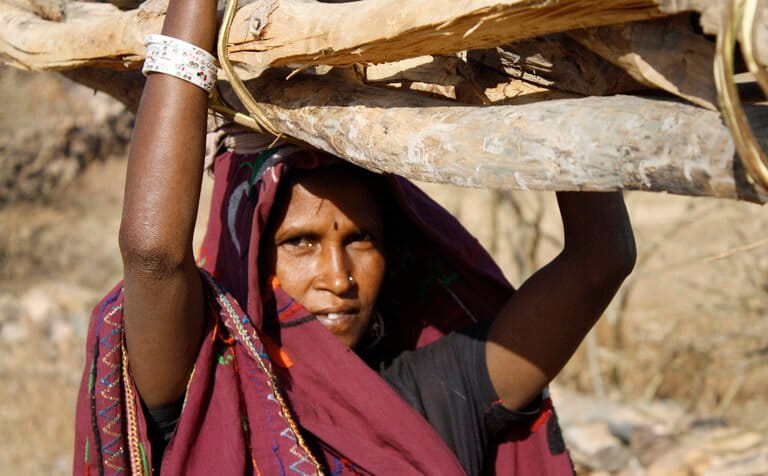
A woman collects firewood in Rajasthan. Representative image by Engineering for Change via Wikimedia Commons (CC BY-SA 2.0).
Feature story

LPG adoption correlates with higher green cover, finds study

Simrin Sirur 5 Dec 2025
Feature story

Clean fuel mandate pushes Mumbai’s traditional pav bakeries away from coal

Esha Lohia 5 Dec 2025
Feature story

Planning gaps and modern construction keep vulnerabilities alive

Mansi Rathee 5 Dec 2025

Rooftop solar consumers face uncertainty in Maharashtra

Abhijeet Gurjar 4 Dec 2025
Feature story

Where the wild dog can roam

Sneha Mahale 4 Dec 2025

New research makes a case for Chinese glacial flood management system

Simrin Sirur 3 Dec 2025
All news

Top stories

A woman collects firewood in Rajasthan. Representative image by Engineering for Change via Wikimedia Commons (CC BY-SA 2.0).

LPG adoption correlates with higher green cover, finds study

Workers at a bakery get newly baked pav ready for sale. Image by Megha Acharya/Mongabay-India.

Clean fuel mandate pushes Mumbai’s traditional pav bakeries away from coal

Esha Lohia 5 Dec 2025
With Himachal Pradesh lying in India’s high-risk seismic zones, local masons believe that traditional design is the safest option for buildings. Image by Amir Bin Rafi.

Planning gaps and modern construction keep vulnerabilities alive

Mansi Rathee 5 Dec 2025
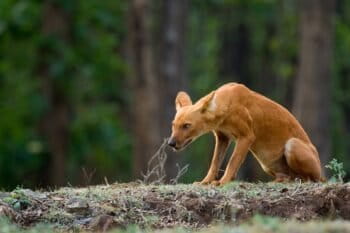
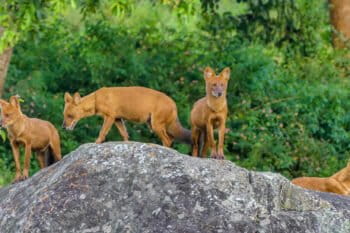
Dholes in Bandipur, Karnataka. Image by Mike Prince via Wikimedia Commons (CC BY 2.0).

Where the wild dog can roam

Sneha Mahale 4 Dec 2025
To address snow droughts in the Himalayas, experts suggest investing in seasonal water storage infrastructure, upgrading irrigation and water efficiency technologies, and preparing robust cross-sectoral drought management plans. Image by Hemant Singh.

Snow droughts intensify across the Hindu Kush Himalayas

Hirra Azmat 3 Dec 2025

Subscribe

Stay informed with news and inspiration from nature’s frontline.
Newsletter

Free and Open

Help us tell impactful stories of biodiversity loss, climate change, and more
Learn more

News and Inspiration from Nature's Frontline.

Videos
A woman collects firewood in Rajasthan. Representative image by Engineering for Change via Wikimedia Commons (CC BY-SA 2.0).
Articles
Podcasts

Special issues connect the dots between stories

Climate Innovations

India is well positioned to advance biobased climate tech, says Sara Trærup [Interview]

Manish Chandra Mishra 28 Oct 2025

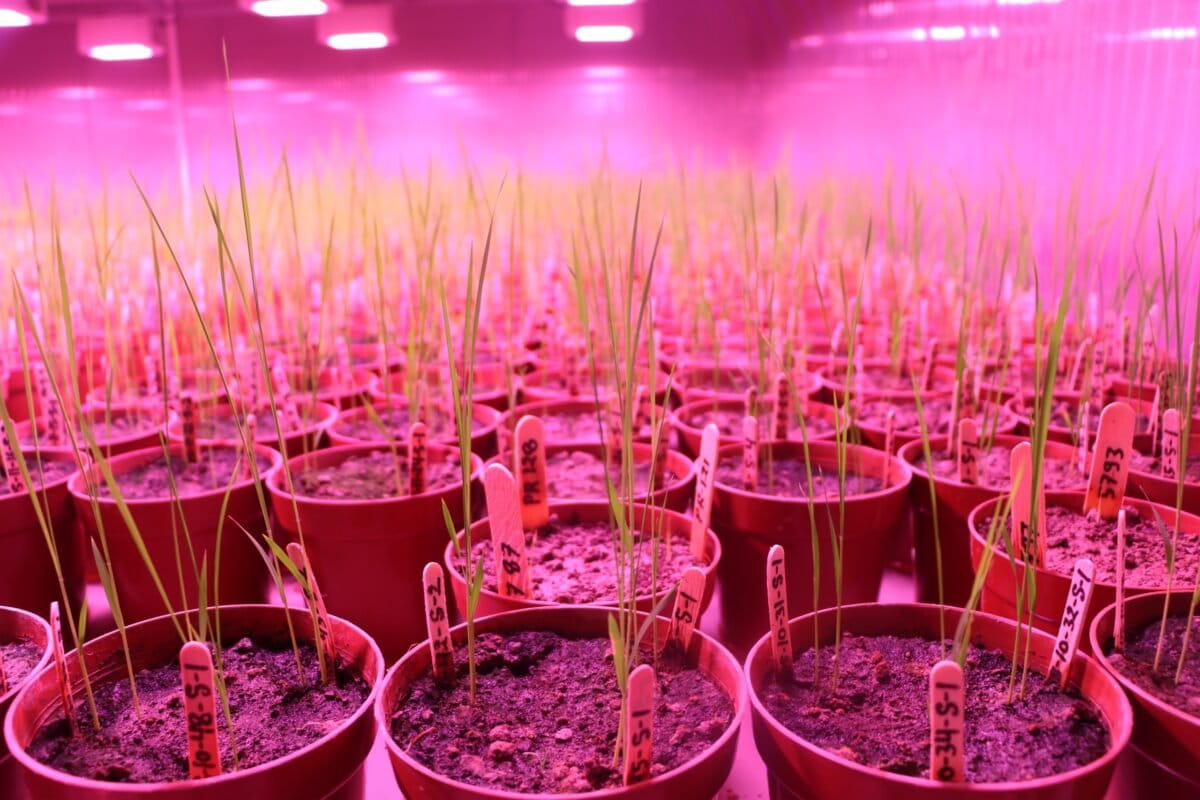
Scientists turn to speed breeding to develop resilient, high yield crops

Hirra Azmat 2 Sep 2025

[Commentary] Climate considerations drive innovation in India’s agriculture and MSME sectors

Kundan Pandey 18 Oct 2024
Bottle gourds from Mahto’s farm being prepared for market dispatch. Image by Vishal Kumar Jain.

A Jharkhand farmer uses AI and technology to modernise farming

Vishal Kumar Jain 16 Sep 2024

If the Green Revolution rode on the strength of chemicals derived mainly from fossil fuels, now there is a shift in the thinking on how agriculture is being done in India, with a thrust on growing indigenous crop varieties and following natural farming practices. In the industrial sector, with initiatives such as ‘Make in India’, […]

Climate Innovations series

More specials

173 stories

Environomy

472 stories

Beyond Protected Areas

stories

Conserving Agro-biodiversity

Free and open access to credible information

Learn more

Listen to Nature with thought-provoking podcasts

Wild Frequencies: Us and Them

Shreya Dasgupta, Kartik Chandramouli 1 Aug 2024

Watch unique videos that cut through the noise

What really happened to rural Bihar’s solar plans

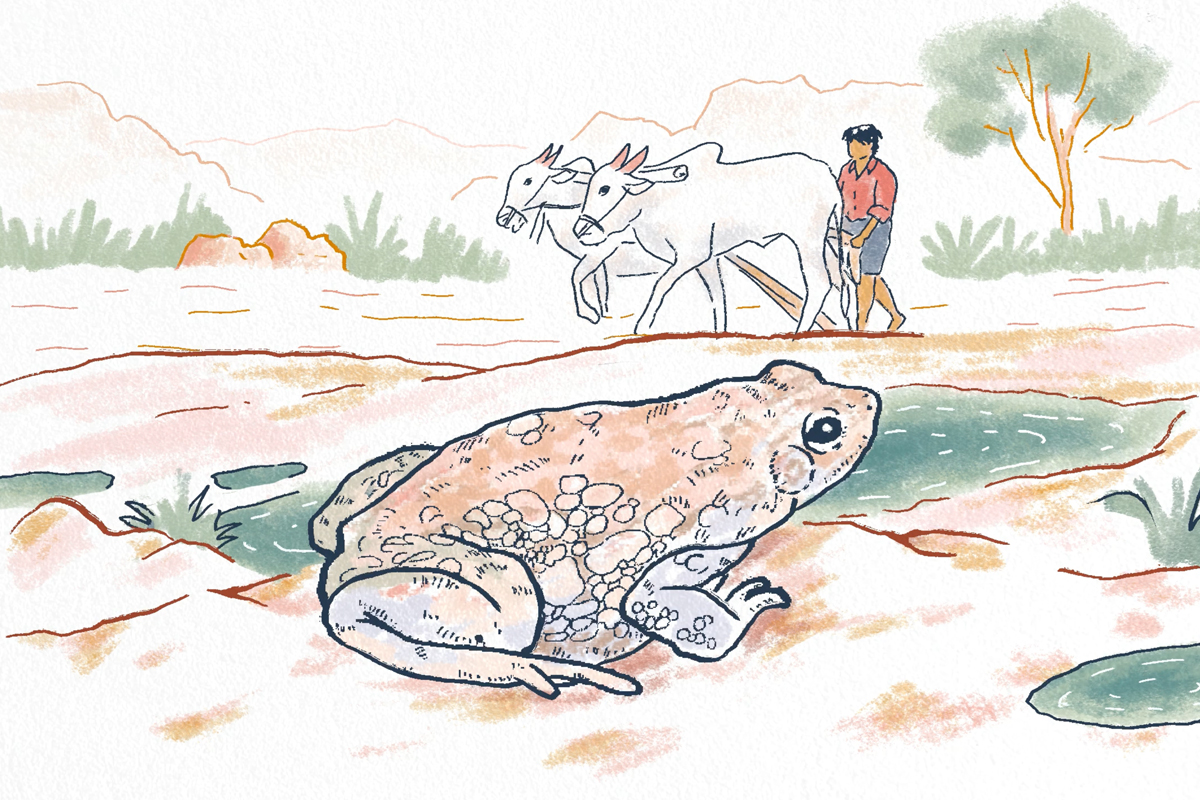
An elusive toad on shared space, farmers and decisions

Sejal Mehta, Kartik Chandramouli, Mohit Negi 10 Jun 2025

The spice star that vies for a market comeback

Barasha Das 20 Feb 2025

A Coimbatore nursery is reviving rare native flora, one seedling at a time

Karthic SS 19 Feb 2025

Reviving the culinary heritage of the Monpas

Barasha Das 21 Jan 2025

Free and Open

Help us tell impactful stories of biodiversity loss, climate change, and more
Learn more

In-depth feature stories reveal context and insight

An Asiatic lion in Gir National Park. While the WLPA has created a legal framework for protectionist conservation, its effectiveness in ensuring species recovery beyond the iconic mega-fauna like the tiger, lion, leopard and elephant has been limited. Image by Tanmay Haldar via Wikimedia Commons (CC BY-SA 4.0).
Feature story

The case for a new legal framework to protect India’s wildlife and livelihoods [Commentary]

Mathen Rajeev Mathew 3 Dec 2025
Ulsoor lake in Bengaluru. Image by Ramesh NG via Wikimedia Commons (CC BY-SA 2.0).
Feature story

Environmentalists concerned over size-based buffer zones for water bodies

Aisiri Amin 2 Dec 2025
Feature story

New study highlights emerging disease risk from mosquitoes

Bharti Dharapuram 2 Dec 2025
Feature story

The lab-field disconnect in the capital’s pollution crisis [Commentary]

Rajeev Kumar 1 Dec 2025

Quickly stay updated with our news shorts

New research makes a case for Chinese glacial flood management system

Simrin Sirur 3 Dec 2025

A new paper finds that, with modifications, the Chinese Glacial Lake Management System could be a promising tool to reduce the impacts of catastrophic glacial lake outburst floods (GLOFs) in the Himalayas.

GLOFs occur when water from glacial lakes – formed at the bottom, side, or within glaciers – suddenly breaches on account of slope failure, overtopping or other reasons. India has the second highest number of glacier lakes after China, numbering 508, according to the Central Water Commission. Almost 50% of larger lakes have increased in size by more than 20% from 2011 to 2023.

“Although the overall frequency of GLOFs has shown a weak decreasing trend over the past three decades, the damage to downstream communities and infrastructure has escalated due to rising exposure and vulnerability,” the study notes.

The Chinese Glacial Lake Management System (GLMS) operates through three core functions: The first is an automated early warning system based on monitoring data, which is disseminated through mobile networks and alarms. The second is engineering interventions on lake sites, such as siphon drainage, embankment reinforcement, and spillway construction. The third is having personnel or a department dedicated to managing glacial lakes, acting as coordinators between the central government, local agencies, and communities.

Before the GLMS was operationalised, 31 GLOFs occurred in China between 2005 and 2019, six of which caused significant damage, including the destruction of at least 88 buildings, around 71 km of roads, 30 bridges, and two fatalities. Between 2019 and 2023 – after the GLMS was operationalised – China experienced four GLOF events but minimal destruction and no fatalities. “Community participation and timely early warning mechanisms, where local managers successfully issued warnings for glacial lake outburst events, demonstrate the advantages of the “One lake, One chief” responsibility system in GLMS,” says the study.

By comparison, of the 16 GLOFs that occurred outside China in the same time period, seven caused damage to over 60 people, 58 bridges, 30 kilometers of roads, and 26,354 buildings. This includes the breach of the South Llonak lake in Sikkim.

Glacial lakes are projected to increase by around 377 kilometers in the future, nearly three times the extent mapped in 2000. The Central Himalayas, which fall in India, account for nearly 40% of this projected expansion, the study says. “A combination of early warning systems, engineering interventions, and community preparedness measures can significantly reduce GLOF risks. In particular, controlled water level drawdown has the potential to reduce flood intensity by up to 24%,” it says.

The Indian government launched the National Glacial Lake Outburst Flood Risk Mitigation Programme (NGRMP) in four states in 2024, in the aftermath of the Sikkim GLOF. The programme sets aside a budget of ₹150 crores (₹1.5 billion) for states to set up monitoring and early warning systems.


Banner image: The Kapuche Glacier Lake in Nepal. Image by Sarojpandey via Wikimedia Commons [CC BY-SA 4.0].

Saalumarada Thimmakka, mother of trees, has died, aged 114

Rhett Ayers Butler 17 Nov 2025

Along a dusty road between Hulikal and Kudur in Karnataka, banyan trees rise like sentinels. Their thick roots grasp the earth, their canopies stretch wide, casting deep shade over the red soil. Travellers who pass beneath them find little reason to wonder how they came to be, or who first pressed a sapling into the ground more than seventy years ago. Yet that green corridor — nearly four hundred trees strong — was the life’s work of a woman who owned almost nothing and asked for even less.

She was born around 1911, in a village so small it barely warranted a name on a map. There was no school; she worked as a labourer in a quarry. She married young, to a man who stammered and shared her steady resilience. They were childless, a fact that in rural Karnataka brought more than sorrow — it brought shame. One day, she later recalled, the couple decided to plant trees instead, “and tend to them like we would our children.” So they did. In the dry season, they carried pails of water for miles to nurture their banyans. They fenced them from grazing cattle, shaded them from heat. In time, their “children” took root.

Her name was Saalumarada Thimmakka — the epithet “Saalumarada,” meaning “row of trees,” bestowed by neighbours once her work transformed the landscape. Long after her husband died, she continued to walk the roadside she had greened, touching the trunks as one might pat the shoulders of grown sons. She lived alone in a hut that filled slowly with plaques and garlands from officials who came to honour her, though her phone was sometimes disconnected for want of a bill payment. “People come and give me certificates,” she once said, “but no money.”

Fame found her late. A local journalist wrote her story in 1996, catching the attention of India’s new prime minister, who brought her to Delhi to receive the National Citizen’s Award. Others followed: the Padma Shri in 2019, an honorary doctorate, the BBC’s list of 100 Women. When she blessed the president of India at the awards ceremony, he bowed his head and later wrote that he had been “deeply touched.” She had, by then, planted more than 8,000 trees.

She dreamed of building a hospital in her husband’s memory, though bureaucrats demurred. She died in Bengaluru on November 14th, at about 114. The banyans remain — roots and branches entwined with the grief and grace of the woman who mothered them into being.


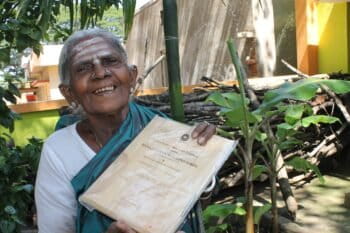
Banner image: Saalumarada Thimakka. Image by Arun4speed via Wikimedia Commons (CC0 1.0).

Saalumarada Thimakka. Image by Arun4speed via Wikimedia Commons (CC0 1.0).

As global emissions start to drop, UN warns acceleration on climate action needed

Manish Chandra Mishra 14 Nov 2025

The latest update to the Nationally Determined Contributions (NDC) Synthesis Report from the UN Climate Change secretariat shows that the global greenhouse-gas (GHG) emissions curve is beginning to bend downward, but not quickly enough. Much faster action will be needed to meet the Paris Agreement goals, it says.

Issued on November 10 by Executive Secretary Simon Stiell, the update summarises new and revised national pledges submitted since the 2025 NDC Synthesis Report in October. In total, 113 Parties have communicated NDCs between January 2024 and November 9 2025, including 22 new submissions and one revision, together covering about 69% of 2019 global GHG emissions.

According to the analysis, total global GHG emissions including land use, land use change and forestry (LULUCF) are projected at 48.9 gigatonnes of CO₂ equivalent in 2035, about 12% below 2019 levels. Without LULUCF, emissions are estimated at 49.4 gigatonnes, or roughly 7% lower.

For the 113 Parties with new NDCs, emissions in 2035 are expected to average 32.1 Gt CO2 eq. Full implementation of conditional targets could reduce this to 31.4 gigatonnes (-14 %), while implementing unconditional targets alone would mean GHG emissions reach 32.7 gigatonnes (-10%). These figures reflect the average and range implied by conditional and unconditional commitments.

The update marks a major change from pre-Paris trajectories. Before 2015, global emissions for 2035 were projected to rise by 20-48%. Current estimates instead suggest a 12% decline, illustrated in the report’s comparison of pre- and post-Paris trends. The baseline projections draw on IPCC Shared Socioeconomic Pathways (SSP) 4-6, 3-7 and 5-8.5 — scenarios with limited or no climate policies.

Global totals also include illustrative projections for sectors not covered by NDCs, such as international aviation and shipping, with LULUCF data harmonised to IPCC-assessed scenarios.

Countries contributing to the latest submissions include China, the European Union and its member states, Indonesia, South Africa, Türkiye, and several developing and small-island nations. Their pledges span major emitting sectors and align with long-term net-zero strategies.

The updated synthesis fulfils Article 4 requirements for five-yearly NDC communication and responds to COP21 and CMA 3 decisions for annual updates. The findings will guide deliberations at COP30 in Belém, where countries will assess collective progress and seek stronger global climate ambition.


Banner image: Opening of the 30th Conference of the Parties to the United Nations Framework Convention on Climate Change (COP30) in the Brazilian Amazon. Image by UN Climate Change – Kiara Worth (CC BY-NC-SA 4.0).

Opening of the 30th Conference of the Parties to the United Nations Framework Convention on Climate Change (COP30) in the Brazilian Amazon. (Photo: © UN Climate Change - Kiara Worth)

India reaffirms commitment to equity and climate justice at COP30

Manish Chandra Mishra 12 Nov 2025

India reaffirmed its commitment to equity, climate justice and multilateralism at the UN Climate Change Conference (COP30) in Belém, Brazil, delivering statements on behalf of the BASIC (Brazil, South Africa, India and China) and Like-Minded Developing Countries (LMDC) groups.

The Indian delegation underscored that the principles of equity, common but differentiated responsibilities and respective capabilities (CBDR-RC), along with the full and effective implementation of the Convention, its Kyoto Protocol and the Paris Agreement, remain the foundation of the global climate regime. The CBDR-RC principle recognises that richer nations must take the lead, given their historical emissions and greater capacity.

The statement from the Ministry of Environment, Forest and Climate Change, issued on November 11, said India expressed “full and unwavering support for multilateralism and international cooperation on climate change, particularly in the current geopolitical context.” 

Marking ten years of the Paris Agreement, India emphasised that climate finance continues to be the key barrier to higher ambition. It called for a clear and universally agreed definition of climate finance, stronger and scaled-up public finance for adaptation. India also urged for the implementation of Article 9.1 of the Paris Agreement, reaffirming the legal obligation of developed countries to provide finance to developing nations.

The statement noted that adaptation finance must increase nearly fifteenfold to meet current needs and noted significant gaps in doubling adaptation finance by 2025. Adaptation, India said, is an urgent priority for billions of vulnerable people in developing countries who have contributed the least to global warming but are among the most affected.

India urged a strong outcome on the Global Goal on Adaptation (GGA) and supported the continuation of the UAE–Belém Work Programme and the launch of the Baku Adaptation Roadmap “to ensure that no one is left behind.”

It also underlined the need for reliable, affordable and equitable access to climate technologies, stating that “intellectual property and market barriers must not hinder technology transfer to developing nations.”

On just transitions, India called for action-oriented institutional arrangements to ensure that transitions are rooted in equity and justice and help narrow the development gap between the Global North and South.

Speaking for BASIC and LMDC, India also recalled the historical and ongoing responsibility of developed nations, stating that they must reach net-zero earlier to preserve equitable carbon space, invest in negative emissions technologies, and fulfil their obligations on finance, technology transfer and capacity-building to developing countries.

India cautioned that unilateral climate-related trade measures risk becoming “instruments of protectionism” that undermine multilateral cooperation. Article 3.5 of the UN Climate Convention states that climate policies should not be used as hidden trade barriers or instruments of protectionism.


Banner image: Around the venue at COP30. Image © UN Climate Change – Kiara Worth/(CC BY-NC-SA 4.0)

Around the venue at COP30 in the Brazilian Amazon. (Photo: © UN Climate Change - Kiara Worth)

How agroforests of Western Ghats support dhole populations

Simrin Sirur 7 Nov 2025

New evidence suggests the Western Ghats are a suitable landscape to support the co-existence of humans and dholes, but that the stability of this relationship depends on the extent of agriculture, tourism, and infrastructure development in the region.

A study by researchers from the Wildlife Conservation Society (WCS) and the National Centre for Biological Sciences sought to understand how dholes, also known as Asiatic wild dogs, share space with humans in the tea dominated agroforests of the Western Ghats. Dholes are listed as endangered species by the IUCN, and have lost 60% of their habitat range in India over the last century. However, they continue to be found in the Western Ghats, as well as the forests of Central and Northeast India.

Dholes were chosen as the subject of the study because despite being top predators, “funding and management efforts are often limited almost exclusively to protected areas (PAs), and remain heavily biased toward certain charismatic species,” the study said. Understanding how large carnivores like dholes interact with human-dominated landscapes “is vital for both human safety and carnivore conservation.”

Only about 1,000-2,000 adult dhole individuals remain in India, having been impacted by habitat fragmentation and deforestation. Dholes are social and known to travel in packs of two to 24 individuals, but prefer to live away from human habitations. Previous research has shown that demographic and geographic isolation have played a role in sustaining dhole populations in India.

The WCS study found that in the Valparai district of the Western Ghats, in Tamil Nadu, even though dholes could be found in areas where livestock was present, they preferred to prey on wild ungulates. Valparai has large swathes of agroforests sustaining coffee, tea, cardamom, and other crop plantations that are interspersed with forest patches.

By analysing scat samples from latrine sites visited between April and May 2023, the research revealed sambar deer to be the most consumed biomass by dholes, followed by wild gaur. Through satellite imagery, camera trap surveys, and ground-based surveys, the study also found that dhole packs appeared to “favor areas with higher direct visibility, which likely helps them guard the pack from human-induced disturbances.”

“We also found that space use was relatively higher in flatter areas away from human settlements,” says the study, adding, “Higher probabilities of use in flatter terrain may be attributed to their (coursing) hunting strategy. However, future land-use changes in Valparai driven by proliferating tourism and the subsequent infrastructure development, or the intensification of agriculture could negatively impact this stability.”


Banner image: Representative image of a dhole. Image by Vinoth Chandar via Wikimedia Commons (CC BY 2.0).

Indian monsoon shifts influence ecological droughts, finds study

Manish Chandra Mishra 4 Nov 2025

A team of researchers from the Indian Institute of Technology, Kharagpur has warned that India’s forests and farmlands are facing a surge in what they call “ecological droughts”, long-term moisture stress that damages entire ecosystems.

Their paper looks at how ecological droughts are increasing in India with the changing summer monsoon and human interventions. Published in Communications Earth & Environment, the paper is authored by Rahul Kashyap, Jayanarayanan Kuttippurath, and Vikas Kumar Patel from IIT Kharagpur’s CORAL laboratory.

“This study investigates the complex non-linear interactions among the atmosphere, land, and ocean systems in relation to ecological droughts in India during the Indian Summer Monsoon,” said corresponding author Kuttippurath. “It reveals a rise in ecological droughts across sensitive regions such as the Himalaya, Northeast India, eastern Indo-Gangetic Plain (IGP), Central India, and southern semi-arid India. These regions also show increasing meteorological, land evaporative, and atmospheric aridity.” The paper adds that these are “regions with ample moisture and optimum warmth to support vegetation, yet they are subjected to ecological droughts now.”

“Ecological droughts are increasing in the ecologically fragile pristine forests and croplands that decline vegetation health in India,” write the authors in the paper. Using machine-learning and remote sensing data from 2000–2019, they found that meteorological aridity contributed about 23% and ocean warming contributed about 18% in driving ecological droughts.

“Our analysis identifies meteorological aridity and ocean warming as the main drivers of ecological droughts, with ocean warming indirectly influencing droughts through changes in moisture and thermal conditions,” Kuttippurath told Mongabay-India. “The westward shift of the monsoon system has intensified droughts in eastern and southern India, in addition to anthropogenic pressures.”

According to the paper, “the rising ecological droughts in India are driving browning of pristine forests and intensive croplands during the moisture rich monsoon season,” leading to weakened forest carbon sinks and reduced crop yields.

“These changes endanger agriculture, forests, and socio-economic stability by altering ecohydrological balance and land–atmosphere feedbacks that also affect regional climate,” Kuttippurath said. “The study underscores the need for improved monitoring of carbon–water cycles, sustainable land management, and adaptive policies to ensure environmental sustainability and food security under climate change.”

The authors conclude, “It is high time to integrate ecological droughts in the climate policies and give due respect in various climate change adaptation and mitigation strategies.”


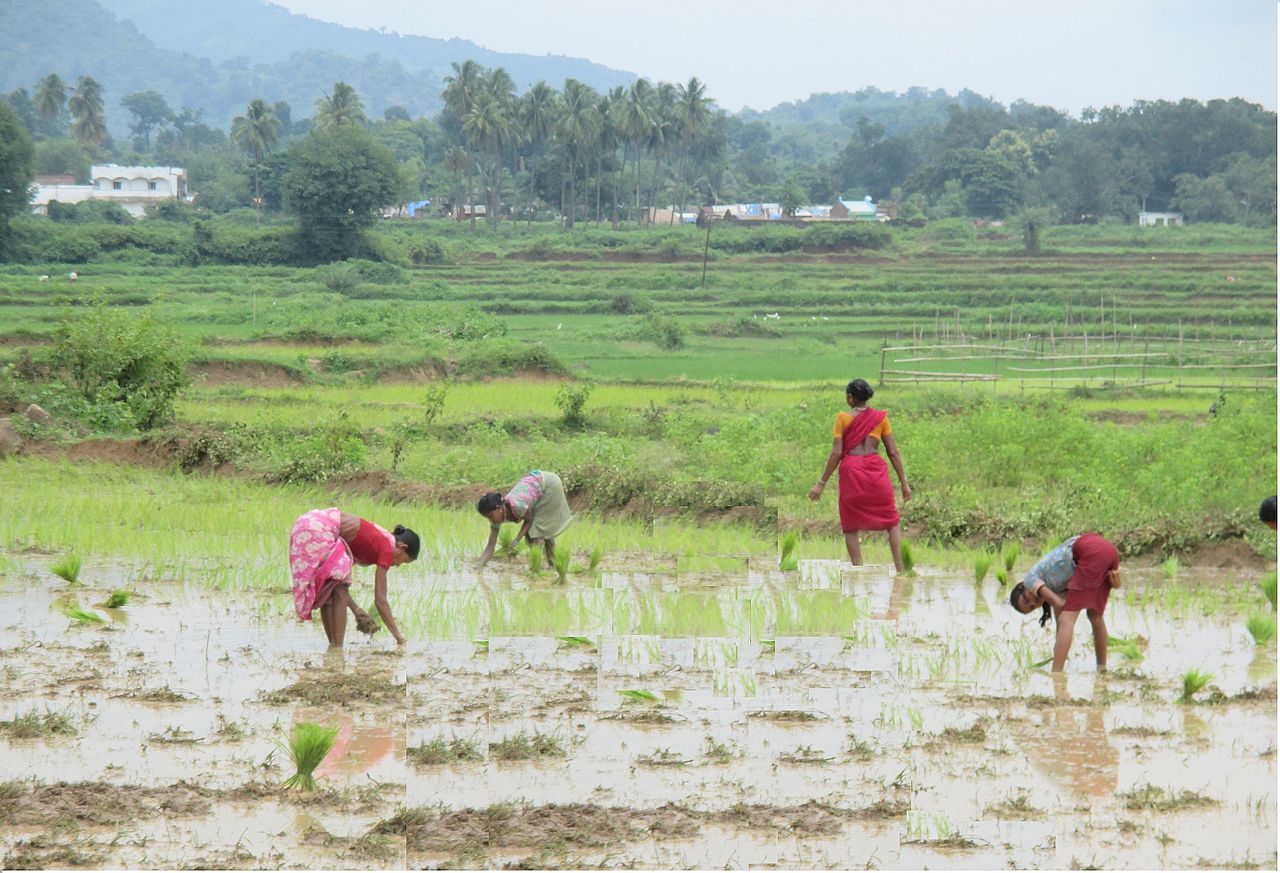
Banner image: Monsoon in a village in Odisha. Image by Santosh.mbahrm via Wikimedia Commons (CC BY-SA 3.0).

A large part of Odisha's population is rural and may be exposed to B. pseudomallei, which is spread through infected soil and water. Image by Santosh.mbahrm via Wikimedia Commons (CC BY-SA 3.0).

Share Short Read Full Article

Share this short

If you liked this story, share it with other people.

Facebook Linkedin Threads Whatsapp Reddit Email

Subscribe

Stay informed with news and inspiration from nature’s frontline.
Newsletter

News formats

  • Videos
  • Podcasts
  • Articles
  • Specials
  • Shorts
  • Features
  • The Latest

About

  • About
  • Contact
  • Impacts
  • Newsletters
  • Submissions
  • Terms of Use

External links

  • Wild Madagascar
  • For Kids
  • Mongabay.org
  • Reforestation App
  • Planetary Health Check
  • Conservation Effectiveness
  • Mongabay Data Studio

Social media

  • LinkedIn
  • Instagram
  • Youtube
  • X
  • Facebook
  • Telegram
  • Android App
  • Apple News
  • RSS / XML

© 2025 Copyright Conservation news. Mongabay is a U.S.-based non-profit conservation and environmental science news platform. Our EIN or tax ID is 45-3714703.